

Done Is a Decision
Scorsese, Lynch, Didion, and others on the hardest part of making anything.
Ness is about content strategy, storytelling, and the creative life. It’s free for now. Someday, it will earn its keep. To support this project, please consider subscribing.
How Do You Know When You’re Done?
I’ve been thinking about endings.
How do you know when a project is finished? How do you know when it’s fully baked, that you’ve taken it as far as you can? It’s not always obvious.
Most of the time, external factors make the call. A deadline. A client sign-off. But for purely creative work, it’s easy to just keep tweaking, editing, refining, tightening, and tightening. It’s the opposite of writer’s block, when you can’t get started. Instead, you can’t find a place to stop.
I went looking for what some of the greats had to say about this. Surprisingly hard to find. But here’s what I dug up.
Martin Scorsese: “It’s somehow completed, but in my mind it’s not.”
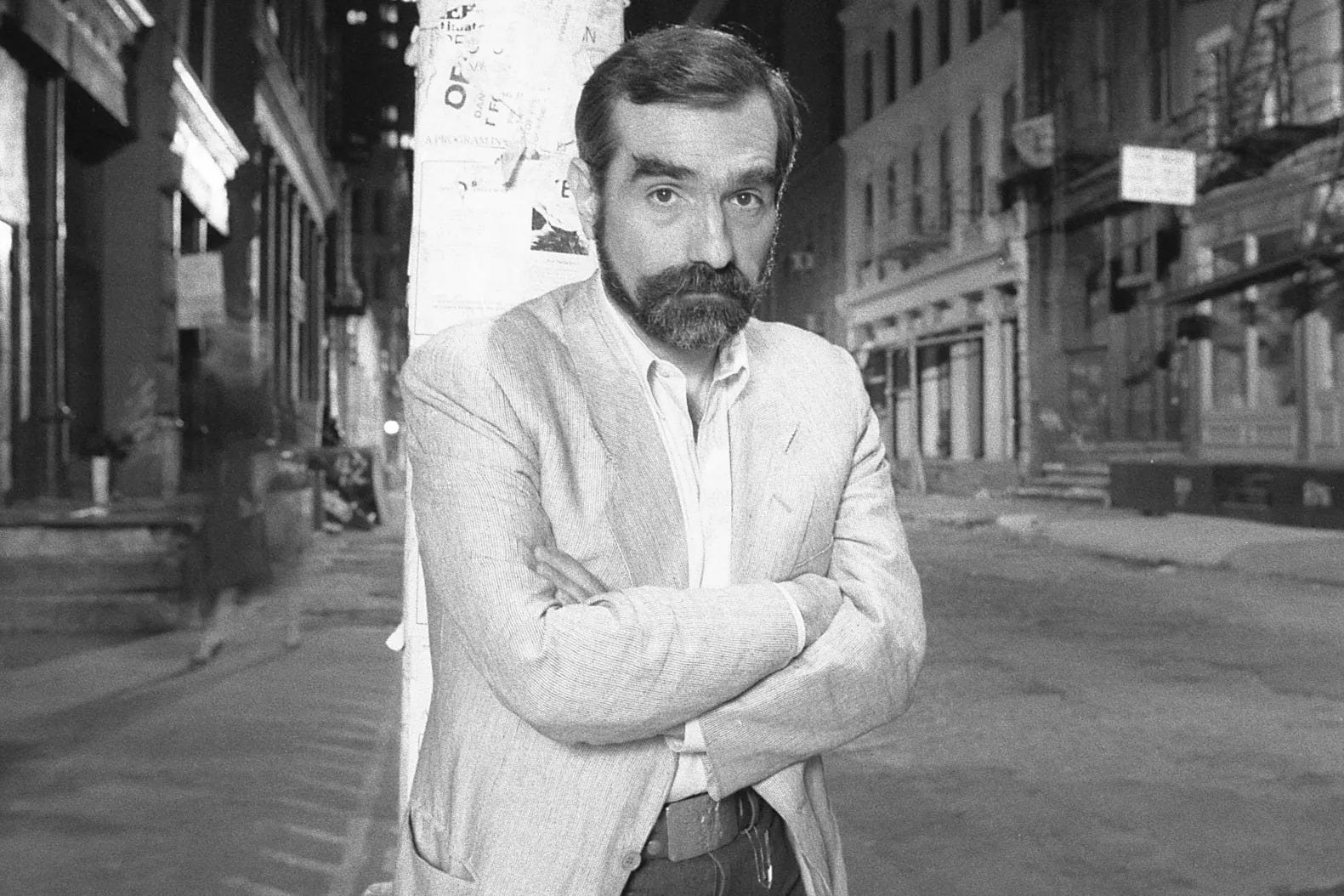
We generally think of films as having a fixed ending point. They get locked, produced, sent to theaters and streamers. But Scorsese sees the release as just one moment in a film’s life and maybe not even the last one. “It’s my life,” he’s said. “It’s not something that you suddenly finish and then move onto something else, it’s a constant work in progress in my mind, and in my daily life too.”
A film keeps occupying space in his head. Maybe it never leaves. “I’m with it every day, but I had to leave the film alone after a point. I guess it’s somehow completed, but in my mind it’s not.”
George Lucas: “Films are never completed; they’re only abandoned.”
Abandoned is ok.
Joan Didion: “Why don’t we say we’ve won and leave?”

Didion wrestled with this head-on. On finishing Democracy, she said: “I really did not think I was going to finish it two nights before I finished it. And when I did finish it, I had a sense that I was just abandoning it, that I was just calling it. It was sort of like Vietnam itself — why don’t we say just we’ve won and leave? I didn’t have a real sense of completion about it.”
Jeff Tweedy: “I happen to love deadlines.”

Again with the abandoned.
“Not everyone does. I do, because they fit with my belief that art isn’t ever really complete. As the saying goes: ‘No work of art is ever finished; it can only be abandoned in an interesting place.’ At this point in my life, I write with such regularity that being given a deadline (for example, an exact date when an album needs to be delivered to the mastering lab) is basically a ‘pencils down’ alarm bell that allows me to stop making up new songs and to spend some time whipping an LP’s worth of tunes into shape.”
Patti Smith: “You have to let it sit for a while. It’s like making pottery.”

In a wide-ranging interview in Kings Review, Smith talked about how she works and it’s not easy. “Some song-writers, friends of mine, and I think William Faulkner was also like this, can just sit and write, and it’s written. They have that kind of logical, agile mind. They’re very good at sentence structure; grammar; understanding tenses; verb use, all things that I’m poor at. So you know, I write, and I can sit there and write all day, but then I have to go back and stumble through a bit of debris. I’m not disciplined in my first drafts. I just write and then I have to let it sit for a while. It’s like making pottery. You have to let it dry and then you have to look at it again and then you put slip on it and then you put it in the kiln.”
Coco Chanel (?): “Before you leave the house, look in the mirror and remove one accessory.”
The attribution is fuzzy, but the sentiment is airtight. Finishing something often means removing part of it. There’s a signal you have to learn to recognize: Wait, I can now stop adding and start subtracting.
David Lynch: “It feels complete and correct and you say it’s done.”

Lynch thought a lot about this. “There’s a comfort when you realize your ideas are realized. You’ve worked so that all the elements are working together and it feels complete and correct and you say it’s done.”
On Inland Empire (three hours long) he was asked if he left anything on the floor. “A film isn’t finished until it’s finished, and when it is finished that means it feels correct to the filmmaker. And some films are so many minutes, and others are so many minutes, and that’s just the way it is.”
Cormac McCarthy: “You’ve told the story and that’s it.”
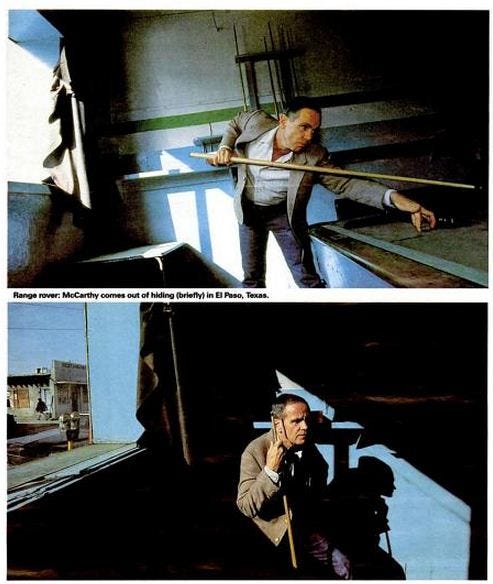
Not much to add, really. He said it to Oprah and it landed. You’ve told the story and that’s it.
A few things stand out when looking at all of these together. Most of them circle the same realization: there’s no real finish line. There’s just a moment when you decide to stop. There’s a feeling that it’s correct, or an acknowledgment that you’re only adding things that don’t need to be there. Some, I guess like Lynch, find something that feels like completion. The rest of us just call it and move on.
Which, honestly, might be the same thing.
There's great relief in the final period. Doesn't necessarily need a prety bow, but without acknowledging completion, the project remains an open tab... leaving less room for something new. I'm with Lynch on this one.
Just ‘finishing’ a book so recognise this! Thank you.