

My Operating Principles for Creative Work in 2026
Please don't call them resolutions.
Ness is about making and thinking about content strategy, storytelling, and the creative life. It’s free for now. Someday, it will earn its keep.
My 2026 Operating Principles
After the rise of AI in 2025, when it was suddenly everywhere, and the ensuing effects felt across media, the economy, and culture, 2026 feels like an inflection point for creatives.
Despite all the anxiety around AI and creative work, the future of our work isn’t written. It’s being shaped right now by the choices we make: what we read, what we ignore, what we make, and what we opt out of. The only response to the lazy thinking and work pervading our world, the flattening of creativity and culture, is to embrace the friction and the hard work. But to be honest, it’s always been this way. Creative work has alwasy been hard. Still, to avoid slipping into a sea of sameness this year, we’ll have to work harder to think differently and to create with more depth and humanity.
With that in mind, here are a few ideas I’ll be using to orient myself over the months ahead.
1. Read (Much) More
If you want to add depth to your work, you have to read more. Books, not internet stuff. Substacks are great, but they don’t give you the space for deep thinking and learning you need to truly fill the well. Plus, infinite distractions are always a tab or click away. Read books. As many as you can. Find a writer and go deep. Explore new genres. Odd histories. Novels. If a book doesn’t grab you, put it down and find one that does. Life’s too short to muscle through bad writing. Modern life prevents depth, so as it becomes easier than ever to access massive amounts of information through AI, it’s more important than ever to do the deep work and learning that comes from reading books.
2. Embrace Being Wrong
You don’t have to be an expert in everything. That’s exhausting. We can all look a bit silly in these AI-driven times. It’s okay to mess up. Own it, it’s human. Let’s normalize being wrong and moving on. Or put another way, make “errors to prove you’re human and not AI.”
3. Follow Obsessions
I couldn’t agree more with this “follow the obsession” idea on The Contender. Along with making life richer, obsessions are wellsprings for new ideas too. This is a year for chasing them down.
4. Focus on Fewer Projects
Stop trying to do everything. Life doesn’t need side hustles. It needs projects that matter to you, even if they never go anywhere. Mine are working on a screenplay and this newsletter…when I have something useful to say. Do them when you can, and don’t burn out on them.
5. Spend Less Time on Social Media
Instagram has become a bit… icky, hasn’t it? So many friends are gone, no one posts, and most of what remains is fluff. Sure, there’s good stuff (Track Star, Subway Takes), but it’s rare. It’s a distraction, and now is a time that requires focus. I’m cutting back. Similarly, the Substack app can be a sticky trap, just like Twitter and Facebook once were. Be judicious. Don’t linger.
6. Revisit the Classics
Whether it’s the Criterion Collection, Apple Music, or your bookshelf, music, writing, and film hold an ocean of work worthy of your time. Only watching, reading, and listening to the new stuff is like swimming on the surface. Kind of boring.
7. Don’t Be the Noise
Too many people are talking, writing, opining. Too many Substacks reflect the old blogger pageview mentality too. It’s verbal diarrhea, and it’s become a bit obnoxious. It’s okay not to have a take, insight, or “thought leadership” post ready. The world is noisy enough. Say less.
8. Find Inspiration in the Real World
Galleries. Concerts. Travel. Long walks. This is rich soil for new ideas, insights, and the sparks that drive our work. It’s often hard to pull our thumbs, and our attention, away from our phones long enough to remember this, but we must if we want to think more clearly and creatively.
9. Get Stronger
Mind/body, because only the fittest of the fittest shall survive.
10. Prioritize Sleep
Things go sideways fast without it. This was the year I put “sleep” and “prioritize” together. I’m no Jocko Willink. I need 7–8 hours a night, and you probably do too.
This Book Will Get Your Projects Going in 2026
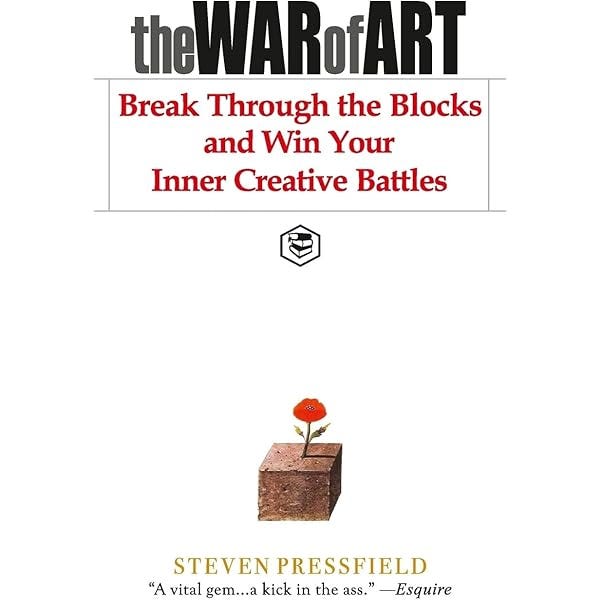
I started reading The War of Art last year after a friend recommended it, and I made it exactly (checks Kindle) 45 pages in before I put it down and committed myself to finishing a first draft of my screenplay. This book, all 45 pages that I read, was a small miracle for me. This year, I plan to pick it up again and finish it, and finish the next draft of my movie.
How to Do Great Work
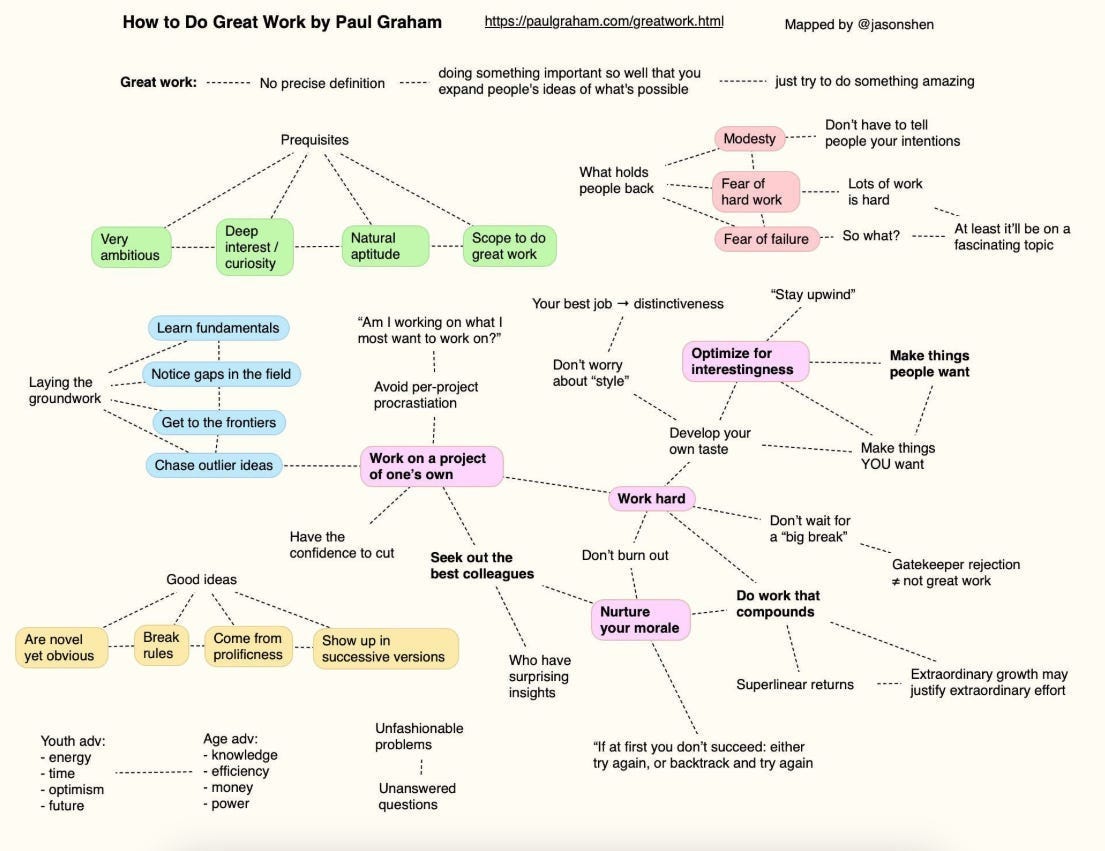
Heard through Nicholas Thompson.
Werner Herzog on Reading
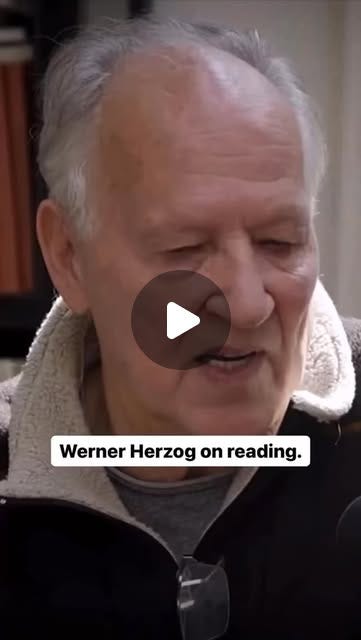
Read. Read. Read. Read. Read. Read.
Love. Love. Love.