

The NESS Interview: Eric Steffen
A conversation with the founder of NYC denim brand FITTED Underground
Ness is about making and thinking about content strategy, storytelling, and the creative life. If you would like to support this project, please subscribe.
The Denim Founder on Slow Progress and How Creativity is Iterative
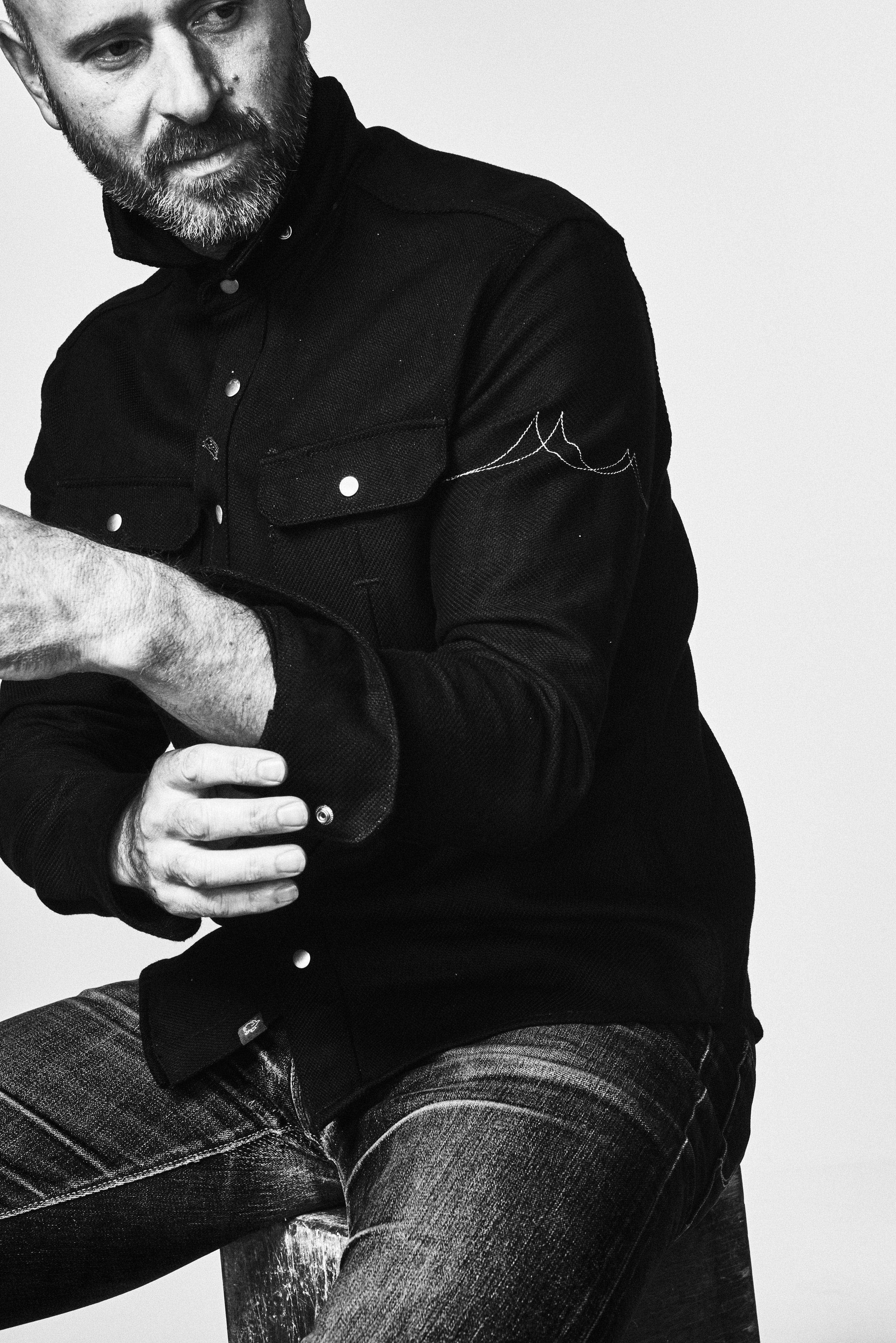
Eric Steffen founded FITTED Underground in 2014, making the jeans and building his brand from scratch. I met him around that time and could tell he was on a mission. He was the one cutting and sewing all the denim, building his workshop, building a community, all with an eye on the long game. I was impressed then, and I still am.
Since then, he’s grown the brand, grown his team, expanded his product offerings, and most recently opened a retail space at his workshop in Williamsburg.
Eric has also embraced social video in a way that really resonates with me. He uses the FITTED Instagram to share behind-the-scenes glimpses of his products, the retail build-out, and also to talk honestly about what he’s learned over ten years of building FITTED. That’s the part I find fascinating.
When I started thinking about a more regular interview series for NESS, Eric was high on the list of people I wanted to feature. He was totally game. I hope you appreciate the new format, and if you have someone you’d like to see interviewed, reach out.
What’s surprised you about yourself or your work while running your business?
The amount of work required to break through. We chose our own niche — custom raw denim — adjacent to more established brands, and the work required to differentiate ourselves and master our processes has been substantial. I thought the build would take six months to two years. After six years, I realized I was still improving as a maker. I sewed by myself for a decade before making my first hire. I needed that time for our products to become world-class — that was what our market was demanding. Today, I’m proud of our products and processes, and things are moving forward, but it required a tremendous amount of foundational work that most people will never see. But it’s work that is baked into everything we make.
What have you learned about the conditions you need to do your best work at FITTED?
I do my best work in silence. I need extended periods of uninterrupted stillness to work at a deeper level. As the brand has grown, there’s no shortage of day-to-day tasks to keep things moving. But the critical work — building systems and design — comes from a deeper place. I need solitude to access it.
The other piece is taking care of myself. Being an entrepreneur is inherently signing up for an unbalanced life, so finding ways to unplug and mentally reset matters a great deal. Not to mention stay present for my wife, kids, and our family time. I’m not perfect at balancing these things, but I know I do my best work when I feel socially and emotionally nourished, and not just consumed by work.
When you’re creatively stuck, what do you actually do?
As little as possible. When I hit a block, if I have to make a decision, I’ll do my best with whatever inspiration is at hand; but more likely I’ll set that project aside and redirect my attention elsewhere. I almost always have something that I can pivot toward. Creativity needs time and space to emerge. I try not to interfere with it too much — just get out of its way and create the conditions for it to surface.
I have also come to recognize that creativity is iterative. With many years and reps, I have become a more discerning creative. The inner template of creativity I had five years ago isn’t as refined as what I have today; it builds on itself. I trust it — and get myself out of the way.
What’s something you’ve gotten unusually good at that most people don’t see or wouldn’t know about?
I’ve developed a sixth sense for when the business is ready to take its next step. For people close to me who’ve watched this unfold, it’s been excruciatingly slow, but almost certainly right. Brands are like children; they take time to develop. And mine is especially reliant on a mix of artistry and precision. I didn’t have a background in sewing and design, so it was a very intentional build.
Knowing when to hire, expand the space, or invest in inventory — I’ve gotten better at all of it over time. Understanding the underlying tempo of the business, its “melos” if you will, is something I’ve become genuinely good at. I think it’s what separates a poor leader from a good one, and why founding CEOs so often have an unusually deep understanding of their business. They know how to listen.
What’s something you’ve stopped doing that’s made a big difference?
Delegating daily tasks has become mission-critical as we grow. The first thing I had to stop doing was sewing! That was hard after being obsessive about quality, working by myself for a decade. When I hired my first employee in 2024, it took time to train them well enough to pass the baton — but today we’re a team of five, and at every stage, that investment in my people has been worth it. I’m continuing to remove myself from the daily functions of the business so I can focus on growing it. That said, I do miss sitting behind a machine and making something beautiful.
What’s something you’ve changed your mind about?
Sourcing. In 2017, the last great American denim mill — Cone Mills White Oak in Greensboro, North Carolina — closed its doors. Our goal was to produce in America and source everything we made from within the United States. But we had to pivot, so we turned to Japanese selvedge denim — and it’s been a revelation. The Japanese value craft very highly within their society, and they make beautiful fabric. It’s an honor to produce our clothing with it. I hope that we can help elevate craft back to its rightful place in our culture here in the US. That’s one of our missions — and we are being recognized for it. But we have to educate people that slow fashion has value and benefits that fast fashion does not.
What’s a piece of work (book, movie, album) that changed how you see the world?
The writings of Ken Wapnick, a teacher of A Course in Miracles. He describes the world as a projection of the unconscious mind — meaning it isn’t the world that needs to change, but our perception of it. “Projection makes perception... Therefore, seek not to change the world, but choose to change your mind about the world.” That idea has enormous implications, and it’s given me a framework I can grow into. The upshot is to be kind to all people. I believe we’re building a brand that reflects those values.
Learn more about FITTED Underground here, and follow them on Instagram here.